Storm Damaged Tree Removal Newcastle
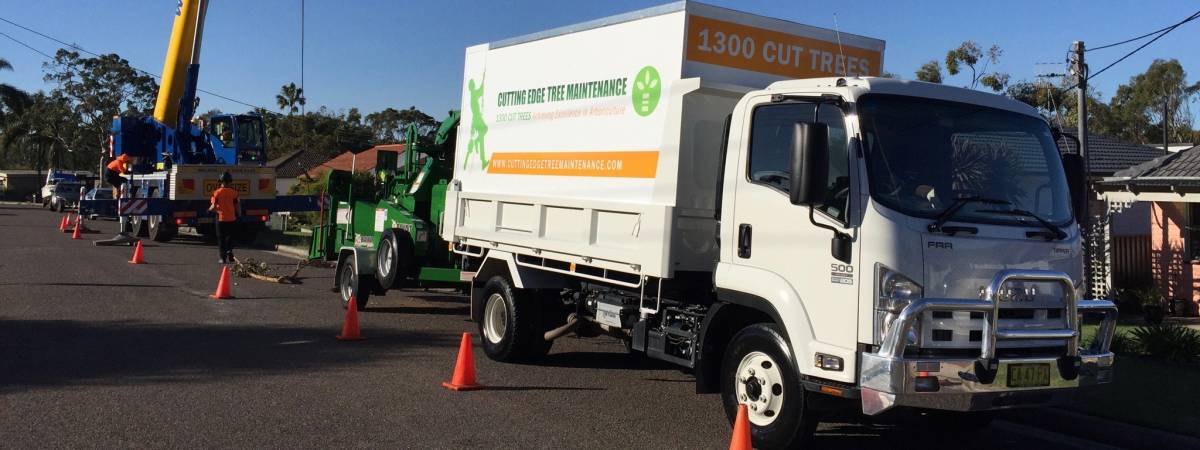
Storm-Damaged Trees in Newcastle: What to Do, What Not to Do, and When You Need an Arborist
Most of the year, we enjoy good weather in Australia. But when a powerful storm hits, it really hits hard. In Newcastle, Lake Macquarie, Port Stephens and Maitland, high winds and heavy rain can leave your trees cracked, leaning, or even bring them down overnight!
Storm damage can be unpredictable and extremely dangerous, so fast action and safety are key. This guide by the Newcastle tree removal experts will show you what to do, what not to do, and when professional help matters most for storm-damaged tree removal in Newcastle!
What To Do & What Not To Do After A Storm
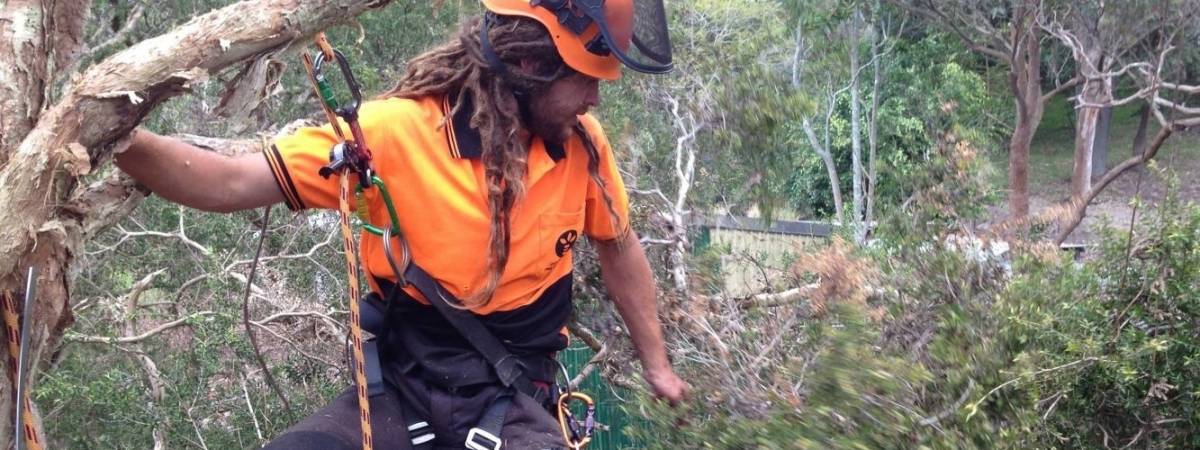
The first priority after a storm should always be safety. Don't approach a damaged tree until the storm is over and daylight gives you clear visibility. You should also keep people and pets away from the affected tree or trees, especially if there are hanging branches or leaning trunks.
Do not attempt to cut, climb, or move storm-damaged trees yourself! This is one of the most common causes of serious injury after storms. If a tree has fallen onto structures, blocked access, or is close to power lines, treat it as an emergency.
Take clear photos of the damage for insurance purposes, then arrange a professional inspection. A qualified arborist can assess risks, make the site safe, and advise whether pruning, bracing, or full Newcastle storm-damaged tree removal is required.
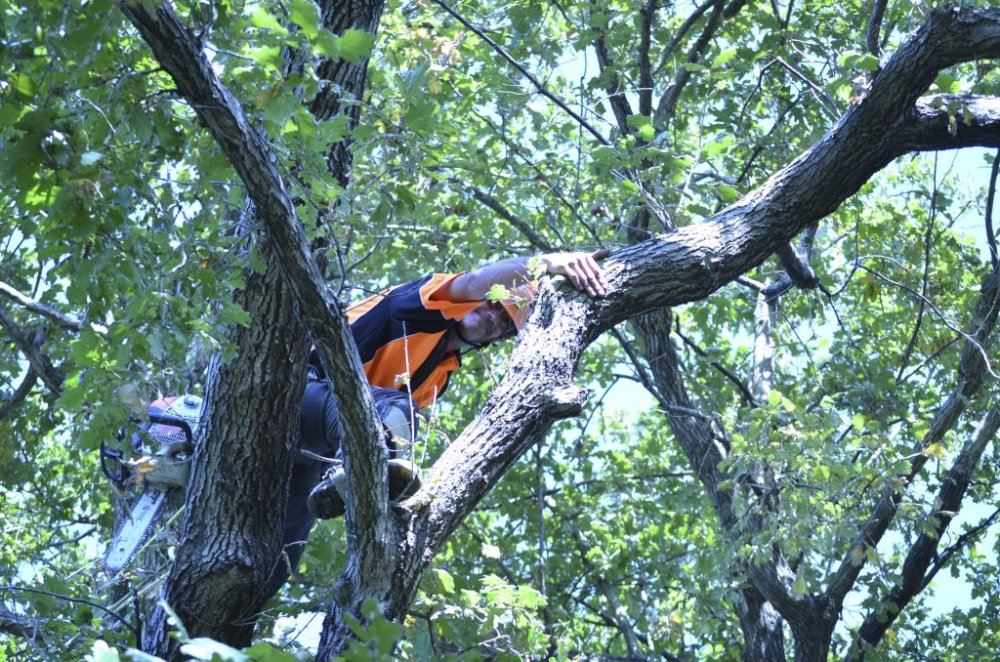
Most Common Storm-damaged Tree Issues
Storms place extreme stress on trees, and the damage is not always obvious at first glance. Here are some of the most common tree issues caused by storm damage:
Uprooting
Across Newcastle, Lake Macquarie, Maitland and Port Stephens, one of the most common issues after heavy rain and high winds is uprooting. Saturated soil weakens root systems, causing trees to lean or fall without warning.
Limb Failure
Another common problem after a storm is major limb failure. Large branches can crack or partially detach, remaining suspended in the canopy. These hanging limbs are extremely dangerous and may fall days later, once the tree dries or shifts.
Trunk Splitting
Trunk splitting happens when strong winds force a tree to flex beyond its limits. Cracks may run vertically or branch from old weak points. Even small splits can suddenly worsen, making the tree highly unstable and dangerous without a professional assessment by a qualified arborist!
Hidden Structural Damage
Not all storm damage is visible from the outside. Internal fractures, torn fibres, or root damage can leave a tree standing but structurally unsound! These trees may fail days or weeks later, which is why post-storm inspections are critical even when damage appears minor.
Trees Leaning Towards Buildings or Roads
A tree that has begun leaning after a storm often indicates root plate movement or soil failure. This increases the risk of collapse, especially near homes, driveways, or public roads. Leaning trees should be assessed urgently to determine if stabilisation or removal is required.
Canopy Imbalance
Severe storms can strip large limbs from one side of a tree, creating an uneven canopy. This imbalance places significant stress on the trunk and roots, increasing the risk of future tree failure. Corrective pruning or removal can restore safety and structural stability.
Debris Entangled in Power Lines
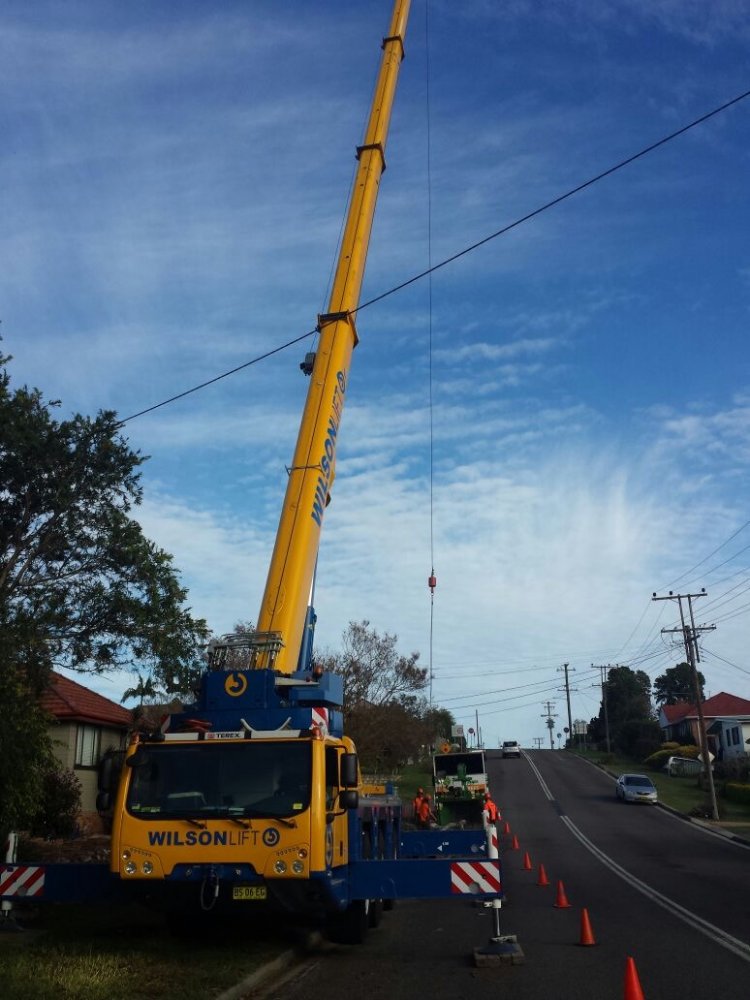
Branches or trees caught in power lines are extremely hazardous! Never approach or attempt to remove them yourself. Always keep clear and contact emergency services or a qualified arborist. This type of situation often requires coordinated, professional storm-damaged tree removal in Newcastle.
What Documentation Do You Need For Insurance Claims?
If you plan on making an insurance claim after storm damage, you'll need clear documentation! First, you'll need to take detailed photos of the damaged tree from multiple angles, including close-ups and wider shots showing nearby structures or fences. You will also need to record the date and time the storm occurred, as insurers often require this information. It's also a good idea to make written notes describing the damage, when it was discovered, and any immediate risks to people or property.
Do not alter the site before documenting it unless safety requires urgent action! A professional arborist assessment is also important, as insurers may request a written report confirming the level of damage, risk, and whether removal was necessary.
Signs You Need To Call An Arborist
After a storm, some tree damage is obvious, while other risks develop quietly over time. You should call an arborist if a tree is leaning, split, or showing signs of root lift, especially near homes, driveways, roads, or footpaths. Hanging or cracked branches, sudden leaf drop, or fresh soil mounding around the base are also warning signs.
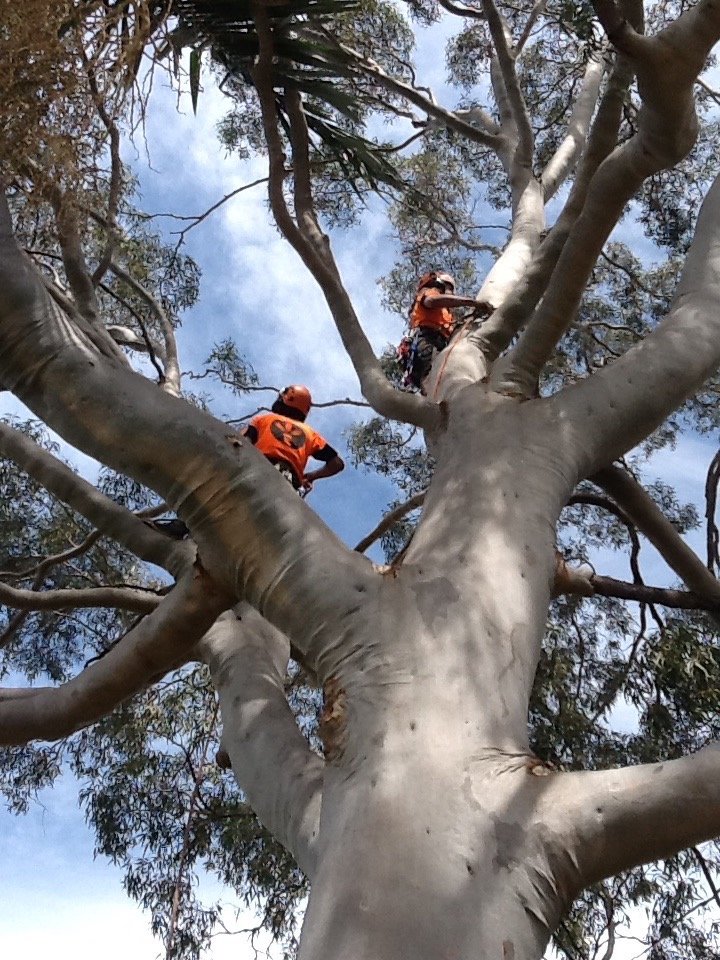
An arborist brings professional knowledge, not guesswork. A qualified AQF Level 5 Arborist can assess structural integrity, identify hidden damage, and determine real risk to people and property. They can safely remove dangerous limbs, stabilise trees with corrective pruning or bracing, or recommend full removal when necessary. Arborists also provide written reports for insurance claims and coordinate safely around hazards such as power lines. When safety, liability, and long-term tree health matter, professional storm-damaged tree removal in Newcastle is the right call. Read our guide on The Hidden Dangers of Ignoring Hazardous Trees in Storm Season to see why engaging the services of a professional arborist is the savvy decision.
When To Call An Arborist: Safety Checklist
 Call a qualified arborist as soon as possible if you notice one or more of the following signs after a storm:
 The tree is leaning, uprooted, or lifting at the base
Visible cracks or splits in the trunk or major limbs
Large branches hanging, broken, or lodged in the canopy
The tree is close to or overhanging a house, shed, fence, road, or driveway
Roots are exposed, or the soil around the tree has heaved or sunk
Sudden leaf loss or dieback after the storm
The tree is blocking access to footpaths or public areas
Branches or debris are tangled in or near power lines
You are unsure whether the tree is safe and want professional advice
Storm-Damaged Tree FAQs
Can you remove a tree the same day after a storm?
Yes, in many cases, a storm-damaged tree can be removed the same day, especially if it poses an immediate safety risk. Emergency tree removals are prioritised when trees threaten homes, roads, or access. A qualified arborist will first assess hazards and ensure safe storm-damaged tree removal.
Who is responsible for a fallen boundary tree?
Responsibility for a fallen boundary tree usually depends on where the tree was growing and whose land it occupied. In many cases, neighbours share responsibility if the trunk sits on the boundary. Insurance, council rules, and arborist reports will guide the final decision. If your tree has been affected by severe weather, you can also lodge details with the council using the City of Newcastle Report Storm Damage Tree Removal Form to document hazards and seek guidance on next steps.
What if the tree is tangled in power lines?
If a tree is tangled in power lines, treat it as extremely dangerous. Keep well clear and do not attempt any removal yourself. Contact the electricity provider immediately. Only authorised professionals and qualified arborists working with utility crews should handle this situation.
Can you prune a storm-damaged tree instead of removing it?
In some cases, yes. If the tree is structurally sound and damage is limited to specific limbs, corrective pruning may be enough. A qualified Level 5 arborist can provide a hazardous tree assessment and identify whether pruning will restore safety and balance, or if removal is the safer long-term option.
Does insurance cover tree removal after storm damage?
Insurance may cover tree removal after storm damage if the tree caused insured damage or posed an immediate risk. Cover varies by policy, so documentation is essential! Photos, timestamps, and an arborist report often help support claims related to storm damage and removal.
Professional Storm Damaged Tree Removal Newcastle
If you are unsure about a tree's condition after a storm, the safest next step is to seek expert advice. Cutting Edge Tree Maintenance provides professional post-storm tree inspections and reliable storm-damaged tree removal in Newcastle and surrounding areas.
Our work complies with Australian tree removal and safety standards, including AS 4373-2007 Pruning of Amenity Trees, and we adhere to the Guidelines for Hiring Tree Services and Arboricultural Consultants in Lake Macquarie, Newcastle, and nearby regions. We operate under a comprehensive Workplace Health and Safety Policy, and all assessments are carried out by a fully trained, qualified, and insured AQF Level 5 Arborist.
Reach out to Cutting Edge Tree Maintenance on 02 4003 4400 for trusted advice and professional storm-damaged tree care!