What to Do After Tree Removal: Stump Grinding, Soil Recovery & Replanting
Our Arborist's Answer: "After tree removal, the next steps usually include stump grinding, clearing remaining roots, restoring soil condition, levelling the ground, and preparing the area for turf or replanting. Proper aftercare ensures the site is safe, stable, and ready for long-term use."
When a tree is removed, the job is not really finished the moment the trunk comes down. What is left behind can have a big effect on how your garden looks and what you can do with the space next!
In many cases, there are still tree stumps to deal with, remaining roots below the surface, disturbed soil, and uneven ground that need attention before the area is ready for turf, landscaping, or replanting.
Knowing what happens after tree removal can help you, as a property owner, make better decisions and avoid future problems like poor drainage, slow plant growth, trip hazards, or unwanted regrowth. In this guide, we explain what to do after tree removal, from stump grinding and soil recovery through to preparing the area for healthy replanting. If you want a clean, open space or are planning your next planting project, proper aftercare makes all the difference!
What Does Your Yard Look Like After Tree Removal?
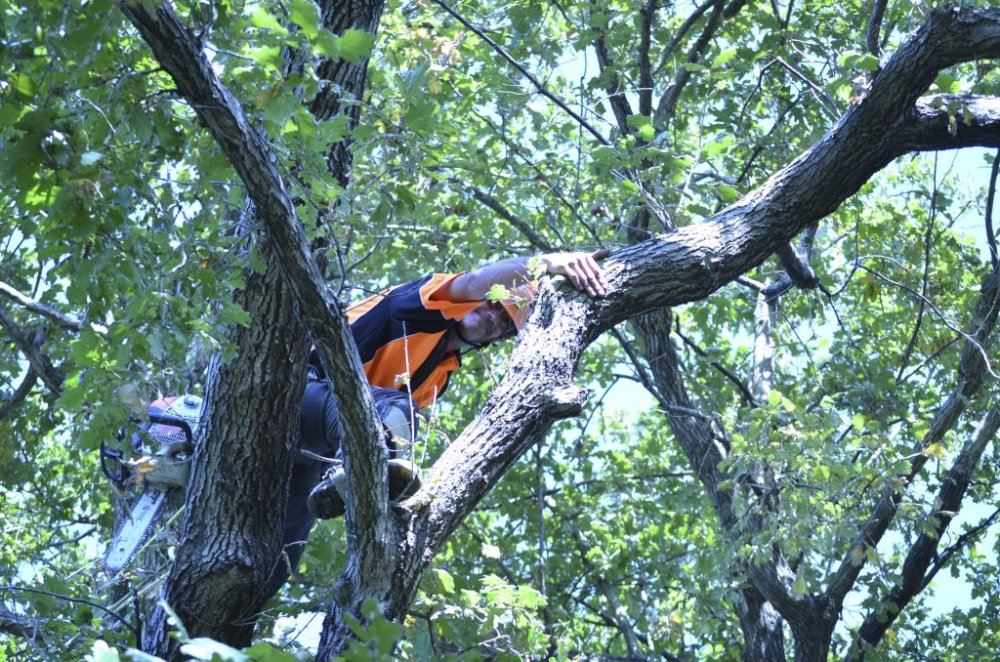
Immediately after tree removal, the site will not be completely clear yet. While the main tree is gone, there is usually still a visible stump at ground level, along with sawdust, wood chips, small branches, leaf litter, and disturbed soil around the work area. Depending on the size of the tree and how it was removed, there may also be tyre marks from machinery, compacted ground, or slight depressions where heavy equipment has passed.
In some cases, surface roots may still be visible, especially if they were near the soil surface. The area can appear rough and uneven until the next stage of work is completed. A qualified arborist in Newcastle can assess root systems and soil condition to ensure the site is safe for replanting.
This is completely normal and is part of the transition between tree removal and site restoration!
A professional team will tidy the area well, but full aftercare, including stump grinding, levelling, soil improvement, and replanting, is what truly restores the space. So after you’ve had a tree removed, what's the next step?
The Next Step: Stump Grinding
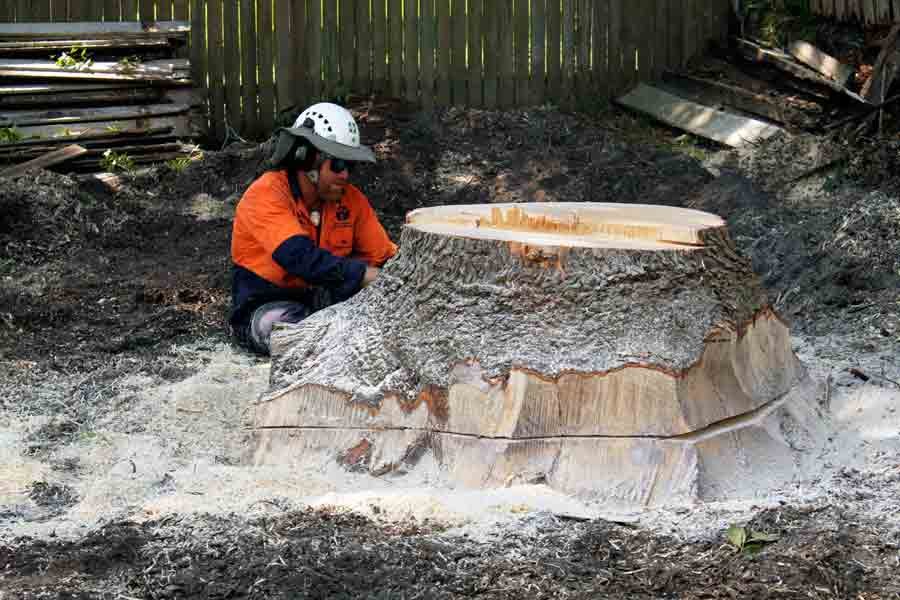
Stump grinding is usually the next recommended step because it helps complete the job properly. It makes the area more attractive and usable. After a tree has been removed, the remaining stump can become an obstacle in the yard, making mowing, landscaping, and general use of the space really difficult.
It can also create a trip hazard, especially in family gardens, shared spaces, or commercial properties. Tree removal and green waste disposal should follow responsible practices, as outlined by the NSW EPA, to minimise environmental impact.
Over time, an old stump will begin to decay, attracting termites and other pests and, in some cases, even producing unwanted regrowth! Stump grinding removes the visible base of the tree down below ground level, allowing the area to be levelled and prepared for whatever comes next. Whether your goal is to lay turf, improve your property's appearance, or replant in the future, grinding the stump is often the most practical next move. It leaves the site cleaner, safer, and much easier to restore properly!
How Do Remaining Roots Affect Your Property?
When a tree is removed, there will usually be roots left behind below the ground. These remaining roots can continue to affect the area long after a tree has been removed. While some roots slowly break down over time, they can still interfere with your soil condition, surface stability, and future planting plans in the short to medium term. This is why it is important to assess the site properly before laying turf or planting anything new. Here are just some ways that remaining roots can affect your property:
-
Soil structure: As remaining tree roots decay, they leave gaps in the soil, which can cause sinking or uneven patches later on.
-
Turf growth: New grass can struggle if the soil is compacted, dry, or disrupted by underlying root systems.
-
Nutrient balance: Decomposing roots can temporarily alter nutrient movement through the soil.
-
Planting space: Large remaining roots can block the space you need for new shrubs, turf, or replacement trees.
-
Moisture and drainage: Old roots alter how water moves through the ground, leading to poor drainage or inconsistent moisture levels.
Professional aftercare helps you identify these issues early and prepare the site for healthy regrowth! For properties in surrounding areas like Lake Macquarie, proper aftercare is just as important to maintain safe and usable outdoor spaces.
What To Know About Soil Recovery
After a tree has been removed, the soil in that area needs time and attention to recover properly. Tree removal can leave the ground compacted, uneven, and mixed with sawdust, wood chips, and other organic debris. While this might not seem like a big issue at first, poor soil conditions can affect drainage, turf establishment, and the success of any new planting.
Sometimes, after tree removal, the soil also lacks nutrients because the previous tree absorbed a large share of the moisture and minerals over many years. As old roots begin to break down, the ground can shift slightly, creating low spots or soft patches. Property owners should know that soil recovery is not just about making the area look tidy. It is about restoring a stable, healthy base for whatever you want to do next! Adding quality topsoil, improving drainage, and allowing time for the ground to settle can all help create better long-term results for your landscaping or replanting project.
When Can You Replant In That Area?
After tree removal, you are probably wondering how long it will be before you can plant anything in that area. The simple answer is that you can replant in the area once the stump has been dealt with, the ground has been levelled, and the soil is healthy enough to support new growth. But the exact timing depends on the size of the removed tree, the extent of its root system, and what you plan to plant next! In some cases, small shrubs or turf can be added fairly soon after stump grinding and soil improvement. If you want to plant another tree in the exact same spot, it will require a bit more preparation, as old roots and reduced soil quality can limit healthy establishment. It takes extra effort, but proper site preparation gives your new plants the best chance to thrive!
Drainage, Levelling, and Safety Considerations
After tree removal, you need to check drainage, levelling, and safety before the area is put back into regular use. The ground may be uneven from equipment access, stump removal, or settling soil, which can create trip hazards and make mowing or landscaping difficult. Drainage is also important, as disturbed ground can cause water to pool in low spots or flow differently than before. If this is not corrected, it can affect your turf, garden beds, or nearby structures. Properly levelling the site and addressing any exposed roots or soft patches makes the area safer and ready for restoration!
FAQs About Tree Removal Aftercare
Do I need stump grinding after tree removal?
In most cases, yes. Stump grinding is usually recommended because it removes the remaining stump below ground level, improves safety, and makes the area easier to level, replant, or turf.
Can tree roots cause problems after the tree is removed?
Yes. Remaining roots can affect soil stability, drainage, and future planting. As they break down, they can also cause uneven settling in the ground.
How soon can I replant after tree removal?
It depends on the condition of the site. Once the stump has been ground, the soil has recovered, and the area has been properly prepared, replanting can usually begin.
Will the ground sink after tree removal?
It is possible, yes. As old roots and organic material decompose underground, the soil may settle over time. This is why levelling and soil improvement are important parts of aftercare.
Why is professional aftercare important?
Professional aftercare helps ensure the site is safe, stable, and ready for its next use. It can also prevent issues such as poor drainage, trip hazards, and failed replanting.
Expert Tree Aftercare in Newcastle
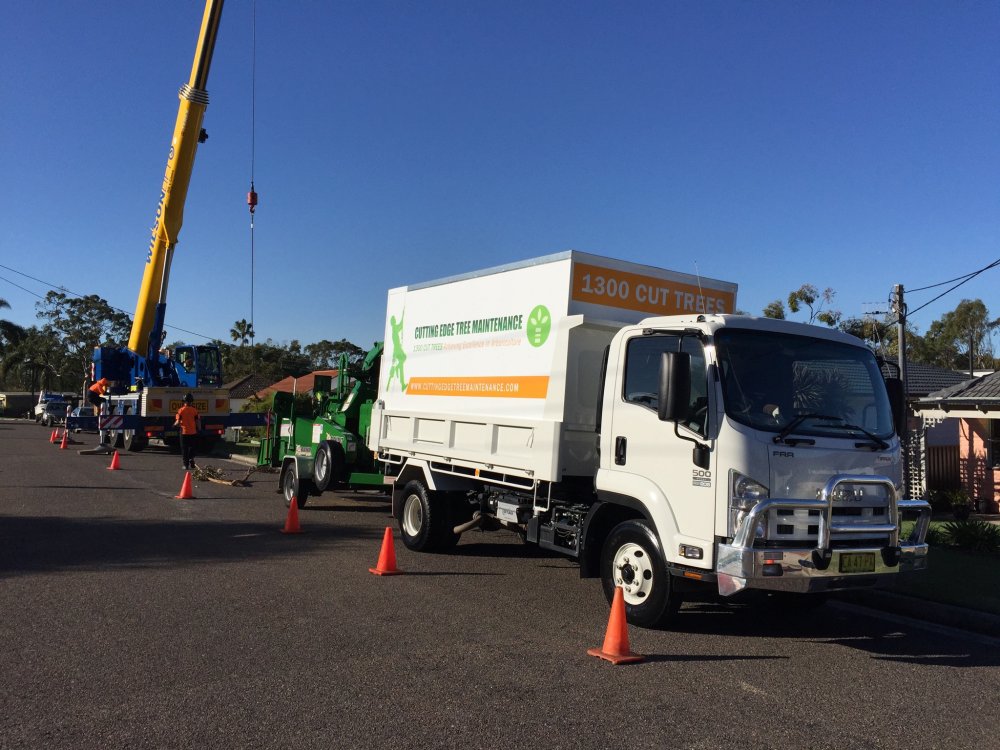
For expert Newcastle tree removal, maintenance, and aftercare, trust Cutting Edge to get the job done properly from start to finish! We are a locally owned and operated business who offer free quotes and competitive rates.
Contact Cutting Edge today on 02 4003 4400 to restore your outdoor space after tree removal.