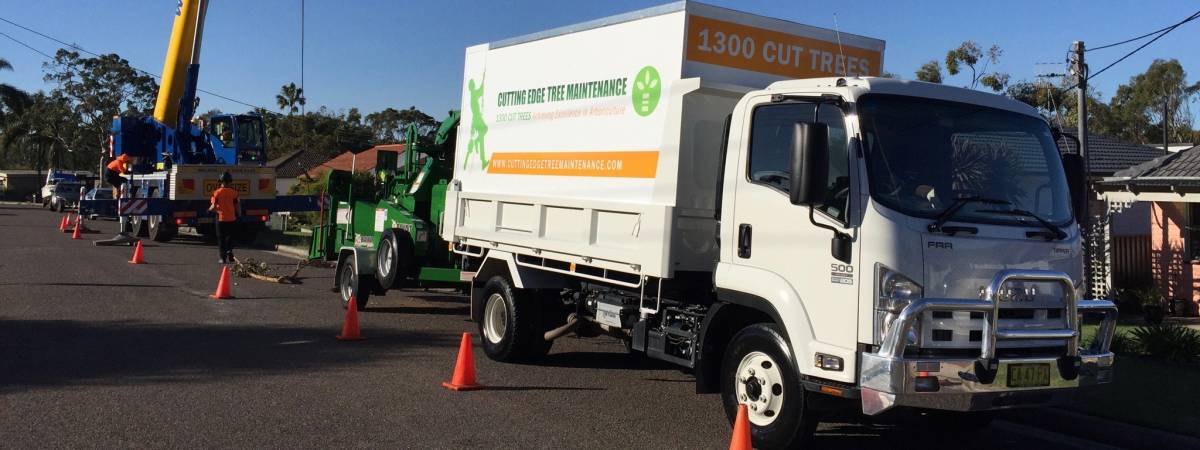
Tree Removal vs Pruning: How Arborists Decide
When a tree starts causing concern, it is not always obvious whether it should be trimmed back or taken down completely. That is where professional advice matters. Understanding the difference between tree removal and pruning can help you make an informed decision that protects homes, businesses, and surrounding landscapes.
In some cases, careful pruning is enough to restore a tree's safety and health.
In others, full removal may be the safest long-term solution. This guide explains the difference between pruning and tree removal, how qualified arborists assess each situation, and what local property owners in Newcastle and Lake Macquarie should consider before making a decision.
If you need expert advice or reliable tree removal in Newcastle or Lake Macquarie, contact our team today on 02 4003 4400 to arrange a professional inspection and get the right tree care solution for your property.
What Is the Difference Between Tree Pruning and Tree Removal?
Pruning and removal are often confused because both involve cutting parts of a tree. However, they serve very different purposes.
Tree pruning is the selective removal of branches to improve a tree's health, structure, appearance, or safety. Proper pruning can:
-
Remove dead or damaged limbs
-
Reduce the weight on heavy branches
-
Improve clearance over roofs, fences, or driveways
-
Allow more sunlight and airflow through the canopy
-
Encourage healthier long-term growth
Professional pruning follows recognised industry standards such as AS 4373 – Pruning of Amenity Trees, which outlines best practices for safe and effective pruning.
Tree removal, on the other hand, means taking down the entire tree. Removal is usually recommended when a tree is:
-
Dead or dying
-
Structurally unstable
-
Severely diseased
-
Damaged beyond recovery
-
Growing in an unsuitable or dangerous location
Many homeowners assume that a large or messy tree needs to be removed. In reality, an experienced arborist may determine that strategic pruning is enough to restore safety and health.
If pruning is the better option, our tree loppers in Newcastle can carry out the work safely.
How Arborists Assess Tree Health and Risk
Professional arborists look far beyond the surface appearance of a tree when deciding whether pruning or removal is appropriate. Several factors are carefully assessed during an inspection.
Structural integrity
Arborists check the tree's structural stability by looking for:
-
Weak branch unions
-
Trunk cracks or splits
-
Leaning or shifting
-
Root plate instability
-
Major limb defects
These issues can indicate a higher risk of tree failure.
Signs of decay
Decay can weaken trees internally even if they appear healthy from the outside. Indicators include:
-
Fungal growth at the base or trunk
-
Hollow sections
-
Cavities in branches
-
Peeling bark
-
Soft or rotting timber
Expert Arborist TipLook at the target, not just the tree. A defect in a tree does not automatically mean it must be removed. Arborists also assess what the tree could potentially hit if it fails. Newcastle arborists regularly factor in these "targets" when deciding whether pruning or removal is necessary. |
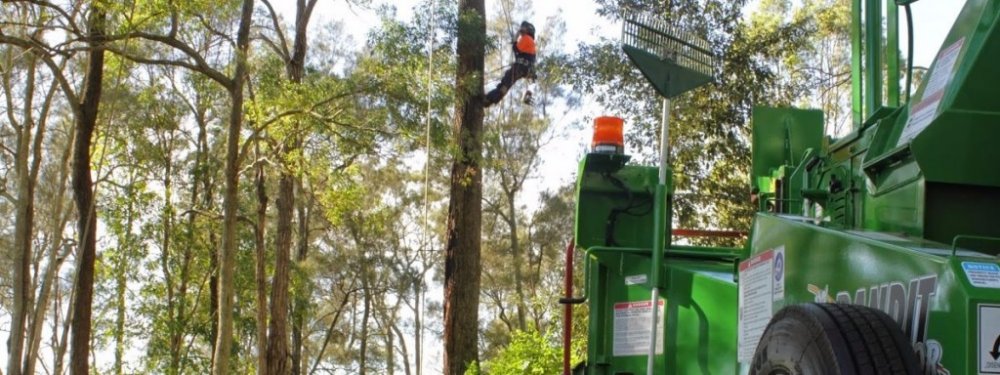
When Is Pruning the Best Solution?
Pruning is often the best option when a tree is generally healthy but requires maintenance to improve safety or structure.
Pruning may be recommended when:
-
dead branches need removal
-
limbs are growing too close to buildings
-
the canopy has become too dense
-
branches obstruct driveways or pathways
-
the tree has minor structural imbalances
Pruning is also valuable for younger trees because it helps guide their growth toward a stronger, more stable structure over time.
Proper pruning can significantly extend a tree's lifespan while reducing safety risks around your property.
When Does a Tree Need to Be Removed?
Tree removal is typically recommended when a tree presents a clear safety risk or cannot be realistically restored through pruning.
Common warning signs include:
-
a tree that is completely dead
-
heavy leaning or unstable roots
-
repeated large limb failures
-
severe storm damage
Less obvious signs may include:
-
trunk cracks
-
hollow sections
-
root plate movement
-
fungal growth at the base
-
canopy dieback
Trees growing too close to buildings, driveways, pools, or underground services may also need to be removed if their roots or canopy pose long-term risks.
Even if a tree still appears green and alive, internal decay or structural weakness can make it unsafe to retain.
The safest approach is always to have the tree inspected by a qualified arborist.
Council and Safety Considerations in NSW

Tree removal in NSW is not only a property maintenance issue. In many cases, it is also a compliance matter.
Local councils may regulate the pruning or removal of certain trees through planning controls or tree management policies. Approval requirements vary between councils, and carrying out work without permission may result in fines.
Property owners should check their local council regulations before undertaking major pruning or removal work.
For properties located in bushfire-prone areas, the NSW 10/50 vegetation clearing entitlement may allow certain trees to be removed within specified distances of homes. However, eligibility must always be confirmed before work begins.
Trees located near buildings, driveways, fences, or service lines should always be assessed carefully before work begins to ensure safety and compliance.
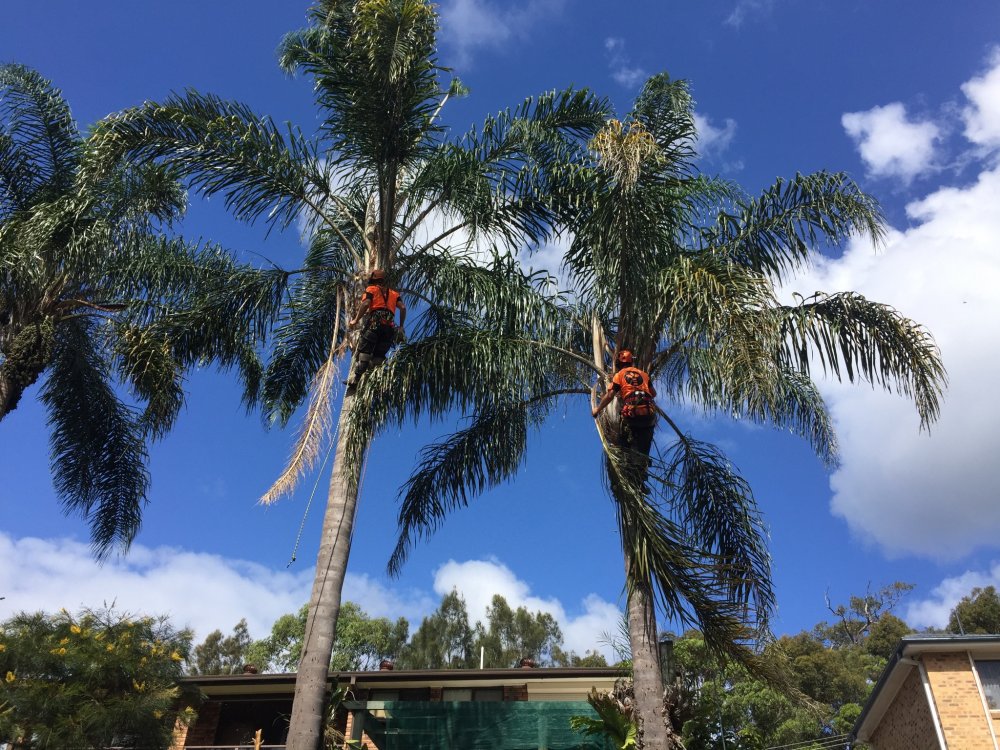
Long-Term Tree Management Tips
Good tree care does not start when a tree becomes dangerous. Regular monitoring and maintenance help prevent many problems from developing in the first place.
Property owners should watch for early warning signs such as:
-
dead branches
-
thinning canopy
-
fungal growth
-
leaning
-
sudden changes after storms
Routine arborist inspections can identify developing issues before they become costly or dangerous.
Other simple maintenance steps include:
-
pruning trees at appropriate intervals
-
watering during extended dry periods
-
applying mulch to protect root zones
-
avoiding soil compaction around the base
With the right care, many trees can remain healthy and safe for decades.
Tree Removal FAQs
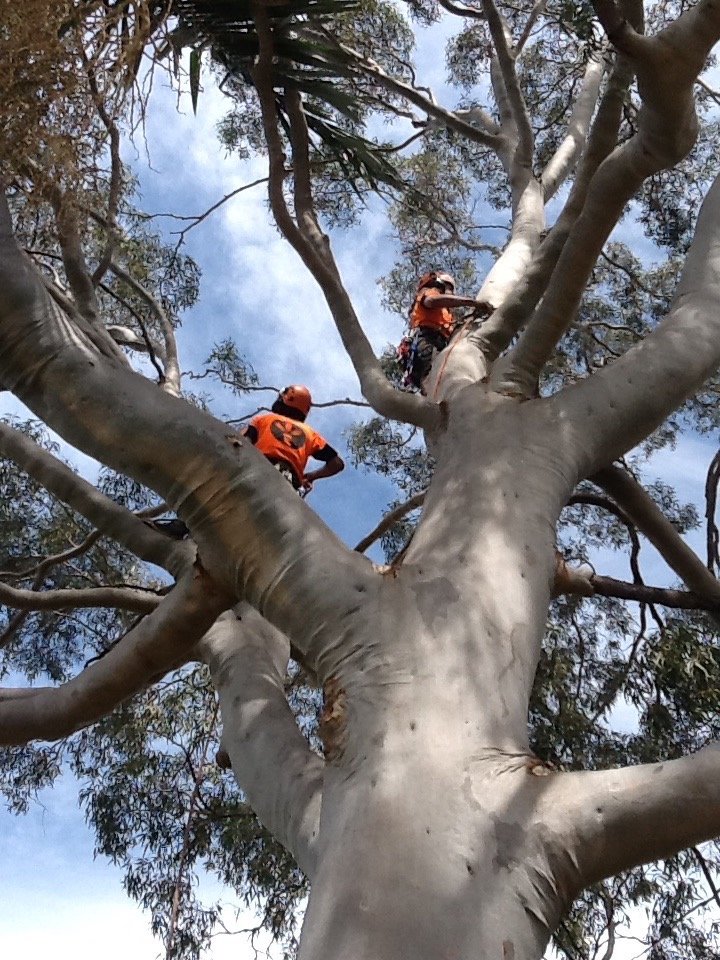 How much does tree removal in Newcastle usually cost?
Tree removal costs vary depending on several factors, including the tree's size, location, site access, nearby structures, and whether specialised equipment, such as cranes, is required. Stump grinding, waste removal, and emergency call-outs may also affect the final price.
What happens to the stump after a tree is removed?
Removing a tree does not always include stump removal. In many cases, stump grinding is offered as a separate service. Leaving a stump in place can interfere with landscaping, create trip hazards, or allow regrowth in some species.
Can tree roots continue causing problems after removal?
Yes. Roots can remain active for some time after the tree is removed and may continue affecting pipes, paving, or retaining walls until they decay.
Is emergency tree removal available after storms?
Many professional arborists offer emergency services for trees damaged by storms, strong winds, or falling branches. Immediate action may be necessary when a tree threatens structures or blocks access.
Can wildlife affect tree removal timing?
Sometimes. Trees may contain bird nests or wildlife habitats. If protected species are present, removal may need to be delayed or handled carefully in accordance with environmental guidelines.
Tree Removal vs Pruning: Let the Professionals Decide
When deciding between tree removal and pruning, the correct choice should always be based on safety, tree health, and long-term outcomes.
An experienced arborist can assess the condition of your tree and recommend the most appropriate solution.
At Cutting Edge Tree Maintenance, our team includes a Level 5 arborist who is fully trained, qualified, and insured. All work is carried out in accordance with Australian tree safety standards, including AS 4373 Pruning of Amenity Trees, and supported by our comprehensive Workplace Health and Safety policies.
We provide professional arborist services across:
-
Newcastle
-
the Hunter Valley and surrounding areas
If you need trustworthy, expert advice on what is best for your tree, contact our team today on 02 4003 4400 or complete the contact form below to arrange an inspection.