Arborist vs Tree Lopper: What’s the Difference in NSW?
Not all Newcastle tree services are equal.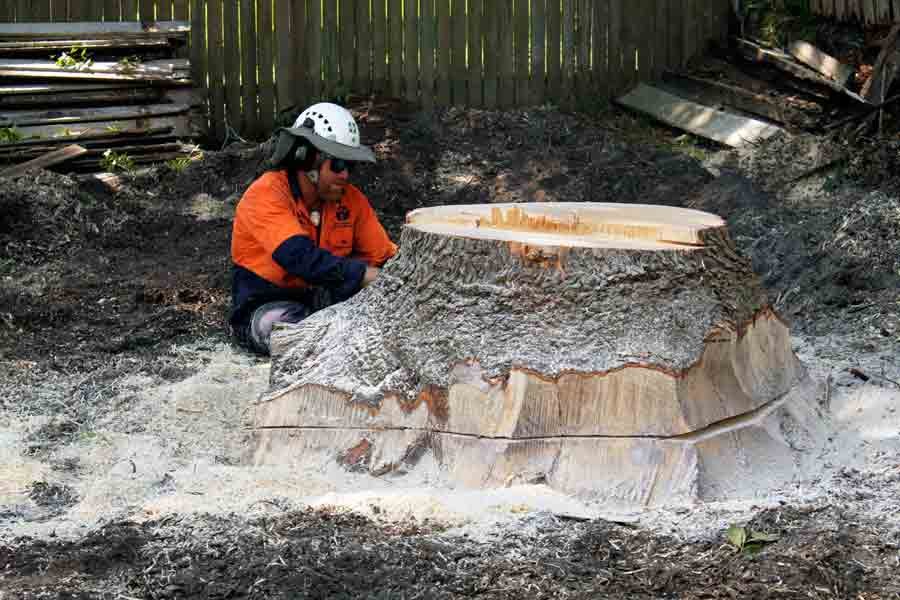
In NSW, the terms arborist and tree lopper are often used interchangeably. From a technical, legal, and risk-management perspective, they are fundamentally different.
That difference determines whether tree work reduces risk or creates a larger one over time.
For property owners in Newcastle, Lake Macquarie, Maitland, Cessnock, Port Stephens, and the wider Hunter Valley, understanding this distinction is essential before approving any tree work.
What Is a Qualified Arborist in NSW?
A qualified arborist is a trained tree professional with formal education in arboriculture.
In NSW, this typically includes:
-
AQF Level 3 Arborist (minimum operational standard)
-
AQF Level 5 Arborist (advanced diagnostics, reporting, and risk assessment)
Arborists are trained in:
-
Tree biology and physiology
-
Structural mechanics and load paths
-
Australian pruning standards (AS 4373)
-
Risk assessment frameworks
Their role is to manage risk while preserving tree health wherever possible.
What Is a Tree Lopper?
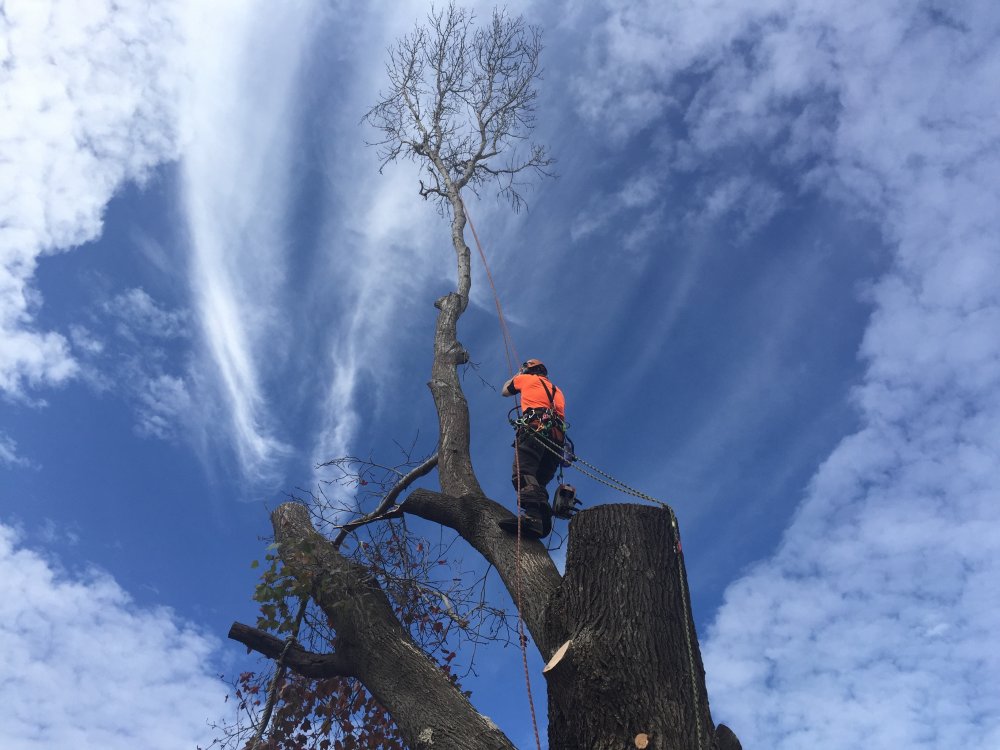
"Tree lopper" is not a regulated or protected title in NSW.
There is:
-
No mandatory qualification
-
No required arboriculture training
-
No standardised assessment framework
Tree lopping generally refers to cutting branches or reducing a tree's size without a formal structural analysis.
While some operators may have experience, the title itself does not guarantee competence, compliance, or insurance adequacy.
Arborist vs Tree Lopper: Technical Comparison
| Area | Qualified Arborist | Tree Lopper |
|---|---|---|
| Formal qualifications | AQF Level 3 or 5 | Not required |
| Tree biology knowledge | Yes | Limited or none |
| Risk assessment | Structured and documented | Rarely performed |
| Pruning standards | AS 4373 compliant | Often non-compliant |
| Council compliance | Understood and followed | Frequently misunderstood |
| Insurance coverage | Public liability + indemnity | Often limited |
| Long-term tree health | Preserved or improved | Often compromised |
| Liability protection for owner | Strong | Weak |
Australian Standards: Pruning vs Lopping
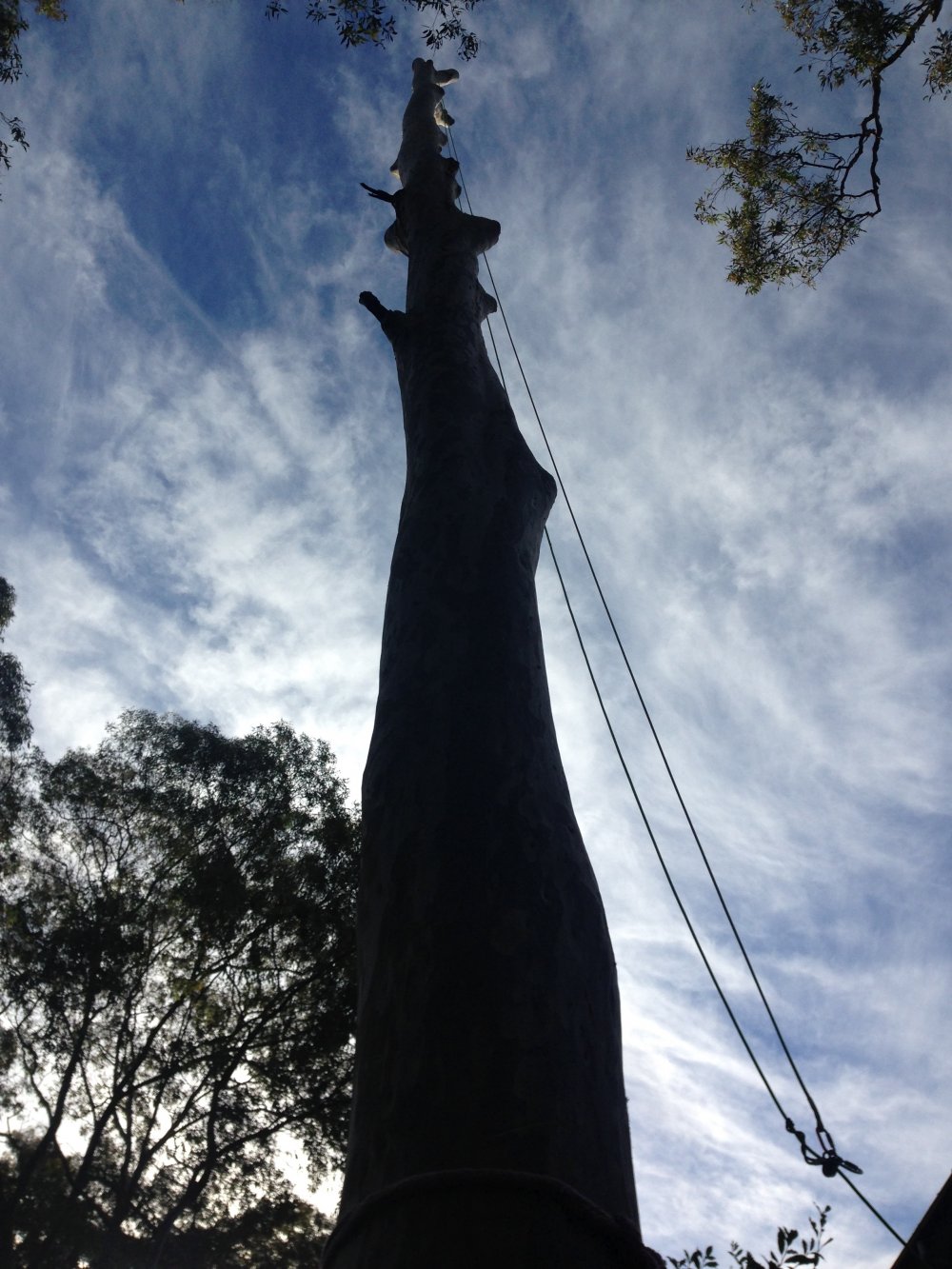 In Australia, tree pruning is governed by AS 4373 – Pruning of Amenity Trees.
This standard explicitly identifies unacceptable practices such as:
-
Topping
-
Flush cutting
-
Excessive canopy reduction
These methods:
-
Destroy the branch collar tissue
-
Interfere with natural wound closure
-
Increase decay progression
-
Trigger weak regrowth
Qualified arborists work within these standards. Tree lopping does not.
For professional advice backed by formal training, speak with a qualified arborist in Lake Macquarie.
Council Compliance in Newcastle and Lake Macquarie
Tree work in NSW can require approval, even on private property. Explore the official requirements for the following Council areas:
A qualified arborist understands:
-
When exemptions apply
-
How to document tree condition
Risk Assessment: The Core Difference
This is where arborists clearly separate themselves.
Qualified arborists assess:
-
Likelihood of failure
-
Consequences of failure
-
Target occupancy (houses, roads, people)
-
Structural defects and decay
-
Root plate stability
-
Soil conditions and drainage
Tree loppers typically do not perform formal risk assessments.
Insurance, Liability, and Homeowner Exposure
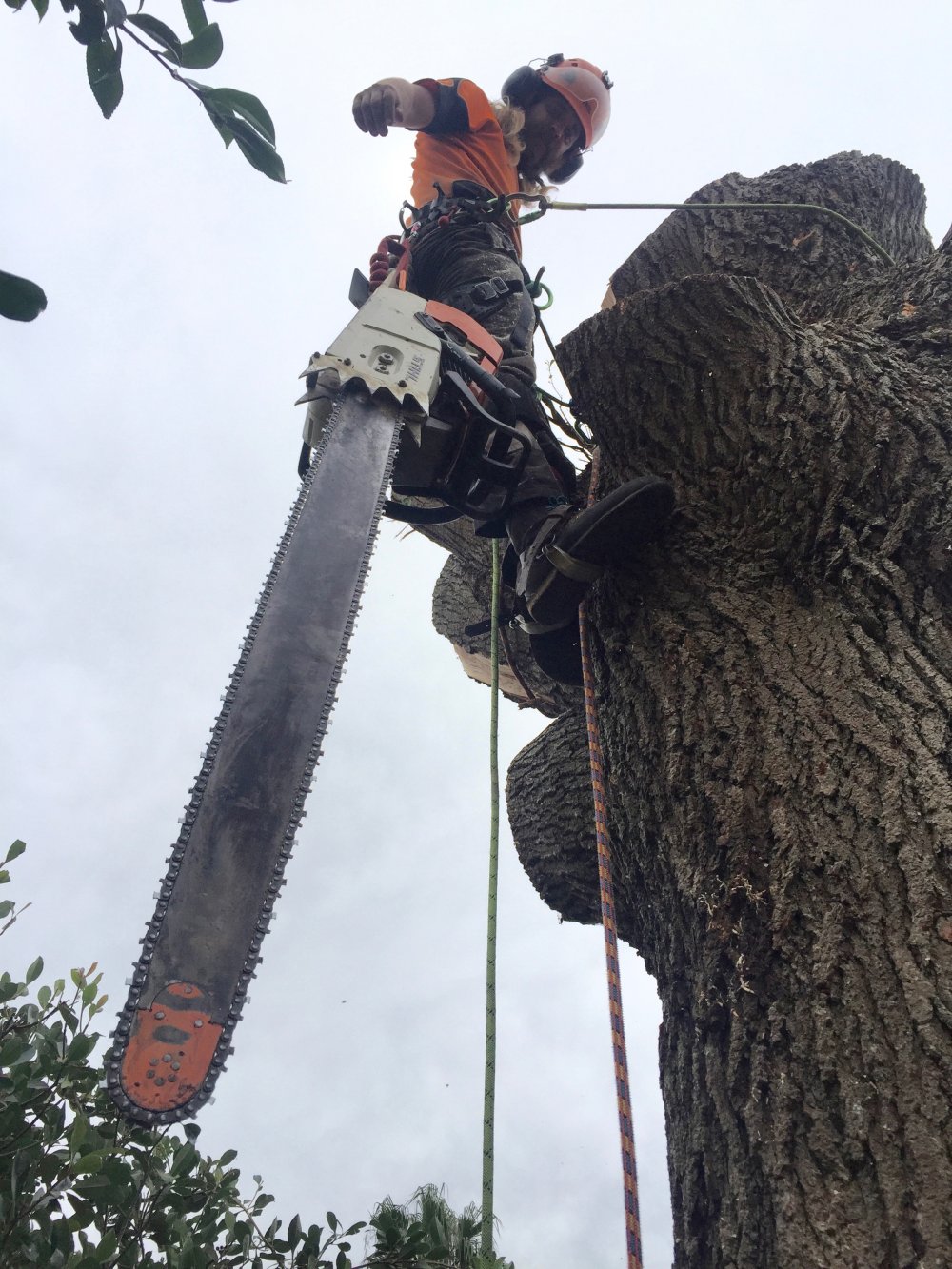 Tree work failures can expose property owners to liability.
Qualified arborists typically carry:
-
Public liability insurance
-
Professional indemnity insurance
-
Workers compensation cover
This protects:
-
Your home
-
Your neighbours
-
Your legal position
If a tree fails later due to poor workmanship, liability can fall back on the property owner. Insurance gaps become very real very quickly.
Long-Term Tree Health vs Short-Term Cutting
Trees respond to cutting as stress.
Incorrect pruning can:
-
Reduce structural integrity
-
Accelerate decay
-
Increase storm failure risk
-
Shorten tree's lifespan
Arborists aim to reduce risk without creating future hazards.
When You Should Always Use a Qualified Arborist
Always engage an arborist when:
-
Trees are near buildings, fences, or driveways
-
Trees show decay, lean, or deadwood
-
Storm damage is present
-
Trees are council-protected
-
Insurance or strata reporting is required
This is especially important in suburbs such as:
Merewether, Lambton, Charlestown, Cardiff, Mayfield, Swansea, Warners Bay, Kotara, Raymond Terrace, Maitland, Singleton, and Muswellbrook.
Frequently Asked Questions
Is tree lopping legal in NSW?
Tree lopping itself is not illegal, but many lopping practices are non-compliant with Australian Standards and council regulations. Non-compliant work can expose property owners to penalties.
Do arborists need to be licensed in NSW?
There is no single state licence, but qualified arborists hold nationally recognised AQF certifications and industry training.
Can a tree lopper remove a protected tree?
Removing a protected tree without approval can result in fines. Arborists understand permit pathways and exemptions.
Are arborists more expensive than tree loppers?
Arborists may cost more initially, but poor tree work often leads to higher long-term costs, repeat callouts, or liability issues.
Who is responsible if tree work causes damage?
In many cases, the property owner shares liability. Choosing a properly insured arborist significantly reduces this risk.
Professional Arborist Services in Newcastle & the Hunter
If you need safe, compliant, and professional tree work, speak with qualified arborists who understand local conditions and regulations.
At Cutting Edge Tree Maintenance, we provide:
-
Certified arborist services
-
Tree pruning and removal
-
Stump grinding
-
Services across Newcastle, Lake Macquarie, Maitland, Cessnock, Port Stephens, and surrounding suburbs
For compliant advice and professional outcomes, choose a qualified arborist, not just a tree lopper.