Tree Roots and Property Damage in Newcastle: Driveways, Pipes, Walls and Foundations
Cracked driveways. Blocked pipes. Lifting pavers. Leaning retaining walls. Cracks near a slab edge. Surface roots are spreading through the lawn.
When homeowners see these signs, it is natural to blame the nearest tree. Sometimes roots are the problem. Sometimes they are only part of the problem. In Newcastle and Lake Macquarie, root-related damage often involves a combination of mature trees, older pipes, clay soil, poor drainage, sloping blocks, hard surfaces and previous construction.
The worst thing you can do is start cutting major roots without knowing what they do. Large roots may help anchor the tree. Removing them can make the tree unstable and create a bigger safety issue.
Cutting Edge Tree Maintenance helps Newcastle homeowners properly assess tree root concerns before deciding whether pruning, monitoring, pipe repair, driveway adjustment, stump grinding, or tree removal is the right next step.
Call 02 4003 4400 for advice from your local Newcastle arborist.
Quick Answer: Can Tree Roots Damage Property?
Yes, tree roots can contribute to property damage, especially when large trees are growing close to driveways, paths, pipes, retaining walls, fences or building foundations.
But roots are not always the only cause.
A cracked driveway in New Lambton, Hamilton or Mayfield may involve surface roots, but it may also involve old concrete, poor base preparation or ground movement. A blocked stormwater pipe in Charlestown, Cardiff, or Warners Bay may be due to root intrusion, but it may also be cracked or leaking. A leaning retaining wall on a sloping Lake Macquarie block may involve roots, but drainage pressure and wall construction are often just as important.
The safest approach is to assess the tree and the site before cutting roots or removing the tree.
Why Tree Root Damage Is Different in Newcastle and Lake Macquarie
Newcastle properties vary widely. Coastal suburbs such as Merewether, Bar Beach, Dudley and Redhead can have wind exposure, sandy sections and stormwater movement. Older suburbs such as Hamilton, Lambton, New Lambton, Adamstown, Waratah and Mayfield often have mature trees growing near older pipes, driveways and fences. Lake Macquarie suburbs such as Charlestown, Cardiff, Eleebana, Valentine and Warners Bay often include sloping blocks, retaining walls and cut-and-fill sites.
These local conditions matter because tree roots respond to moisture, oxygen, soil structure and available space.
Roots are more likely to become a problem when hard surfaces cover the root zone, pipes leak, drainage is poor, soil is compacted, or a large tree has outgrown the available space.
That is why two homes with the same tree species can have completely different outcomes. One tree may be healthy and manageable. Another may be causing repeated conflict with concrete, pipes or walls because of where it is growing.
How Tree Roots Actually Cause Problems
Tree roots do not simply "attack" concrete or foundations.
Roots grow where conditions support growth. They follow moisture, oxygen and nutrients. If a sewer pipe is cracked, a stormwater line is leaking, or water is collecting beside a driveway or retaining wall, roots may grow into that area.
The technical question is not just, "Are there roots here?"
The better questions are:
- Are the roots structural or smaller feeder roots?
- Is the tree relying on those roots for stability?
- Is the damage caused by root pressure, soil movement, leaking pipes or drainage failure?
- Can the tree be retained safely?
- Would cutting the roots make the tree dangerous?
This is where arborist advice matters. A tree lopper may only see a tree to cut. A qualified arborist looks at the tree, the root zone, the surrounding structures and the risk of making the wrong decision.
Tree Roots and Driveway Damage
Driveways are among the most common places where homeowners notice root conflict.
Roots can lift concrete, crack edges, disturb pavers and create uneven surfaces. This is more likely when a mature tree is close to the driveway, and its root zone has been covered by concrete, asphalt, compacted gravel, or paving.
This is common in established Newcastle suburbs where trees and older driveways have grown old together. The driveway may have been built close to the tree years ago, or the tree may have matured long after the concrete was laid.
The best solution depends on the tree and the damage.
Sometimes the tree can be retained and the driveway repaired or redesigned around the roots. In other cases, especially when large structural roots lift the hard surface and cannot be cut safely, tree removal may be the more practical long-term option.
Never cut large roots just to level a driveway without checking whether those roots are anchoring the tree.
Tree Roots and Blocked Pipes
Tree roots are often found in blocked sewer and stormwater pipes, but the pipe usually already has an existing defect.
Roots commonly enter through cracked joints, old earthenware pipework, displaced sections or leaking connections. Once inside, roots can thicken and trap silt, leaves, paper, grease and debris. This can lead to repeated blockages, slow drainage, overflowing inspection openings or stormwater backing up after rain.
This is common on older properties across suburbs such as Hamilton, Lambton, New Lambton, Mayfield, Waratah, Cardiff, Charlestown and Belmont, where mature trees and ageing underground services often exist together.
A plumber may need to confirm the condition of the pipe using CCTV.
An arborist can then assess whether the tree is likely to be contributing to the problem, whether root pruning is safe, and whether the tree can be retained.
If the tree is declining or there are visible root zone concerns, our tree diagnostics and treatment service can help determine whether the tree is healthy enough to keep.
Tree Roots and Retaining Walls
Retaining walls are common across Newcastle and Lake Macquarie, especially in Charlestown, Cardiff, Kahibah, Eleebana, Valentine, Warners Bay, Kotara, Rankin Park and Garden Suburb.
When a wall starts to lean, crack, or bow, tree roots may be involved. But retaining wall movement is often a combined problem involving poor drainage, soil pressure, wall age, insufficient footings, heavy rain, surcharge loading or poor construction.
That means removing the tree may not fix the wall.
A proper assessment looks at the tree, the wall, the slope, drainage patterns and visible root conflict. If roots are pushing directly against the wall or growing into weak points, tree work may be needed. If the main issue is drainage or wall failure, a builder or engineer may also need to be involved.
The arborist's role is to assess the tree component honestly, not blame every wall problem on roots.
Tree Roots and Foundations
Foundation concerns need careful handling.
Large trees can influence soil moisture near a home, especially when they grow close to footings or in clay soils that expand and contract with seasonal moisture changes. But roots do not usually break into sound foundations like a wedge.
Cracks in walls, sticking doors, uneven floors or movement near a slab may involve several factors, including drainage, leaking pipes, reactive soil, older construction, poor footing design or nearby excavation.
An arborist can assess the tree species, size, canopy, root zone, distance from the building and visible defects. For serious structural concerns, a builder or engineer may also need to assess the home.
For mature eucalypts or large gums growing close to homes, see our page on gum tree removal in Newcastle.
Surface Roots and Tree Stability
Surface roots are not always a warning sign. Many trees naturally develop visible roots, especially in compacted, shallow or wet soils.
The greater concern is whether roots are being cut, damaged or compacted in a way that affects the tree's stability.
The root plate helps anchor the tree. If major structural roots are severed, excavated or damaged, the tree may become less stable in wind or wet ground. Warning signs can include new lean, cracking soil around the base, lifting soil on one side, fungal growth near the root crown, canopy dieback or recent movement after storms.
If you notice these signs, book a hazardous tree assessment before cutting roots or working near the tree.
When Tree Removal May Be Needed
Tree removal may be the safest option when root damage is confirmed, the damage is recurring, major roots cannot be cut without destabilising the tree, or the tree is too close to essential infrastructure.
Removal may also be needed when the tree itself is declining, structurally unsafe, or causing repeated damage to pipes, retaining walls, driveways or access areas.
If removal is required, it should be planned properly.
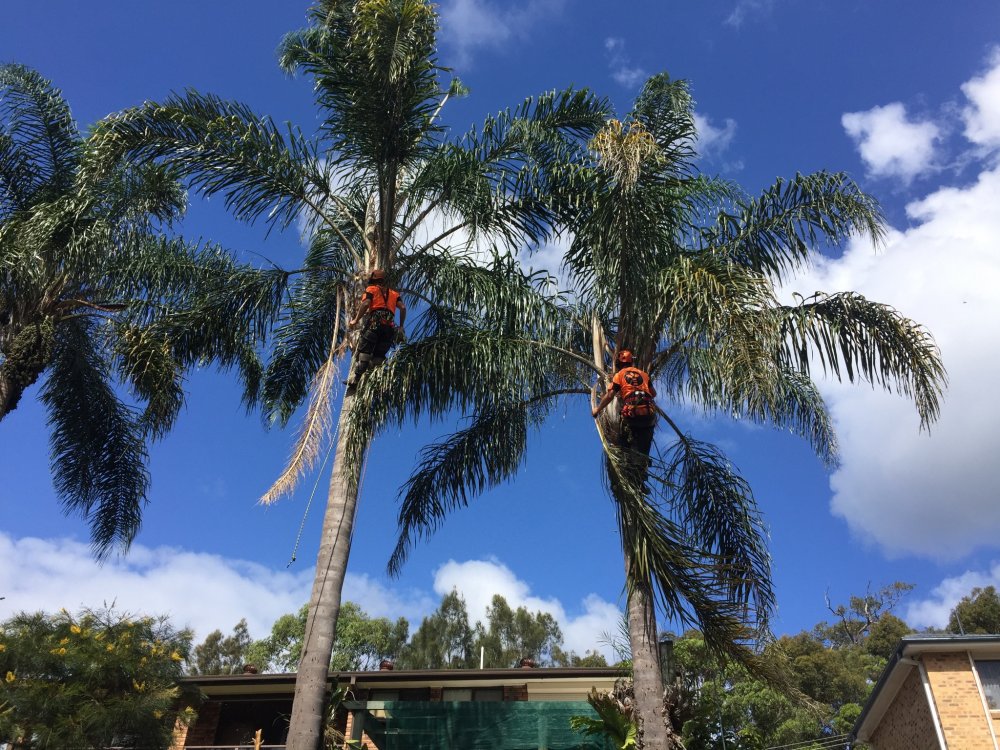
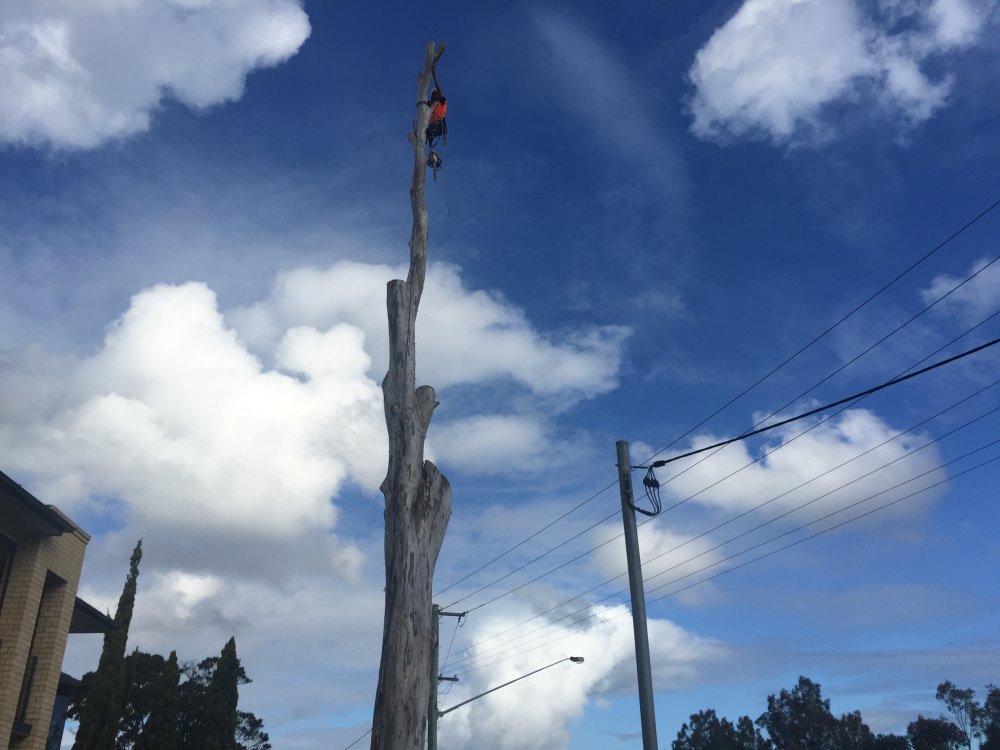
A large tree near a house, fence, garage, pool, neighbour's property, or power line is not a simple job. It may require controlled dismantling, rigging, exclusion zones and careful debris management.
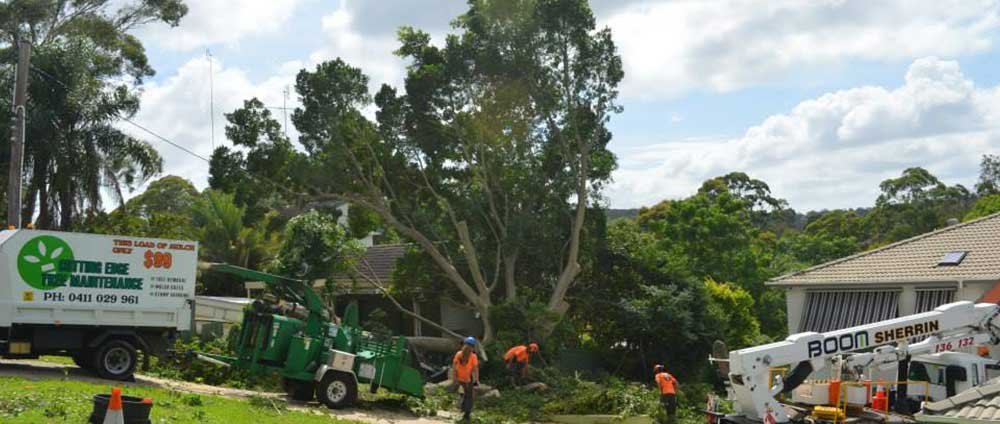
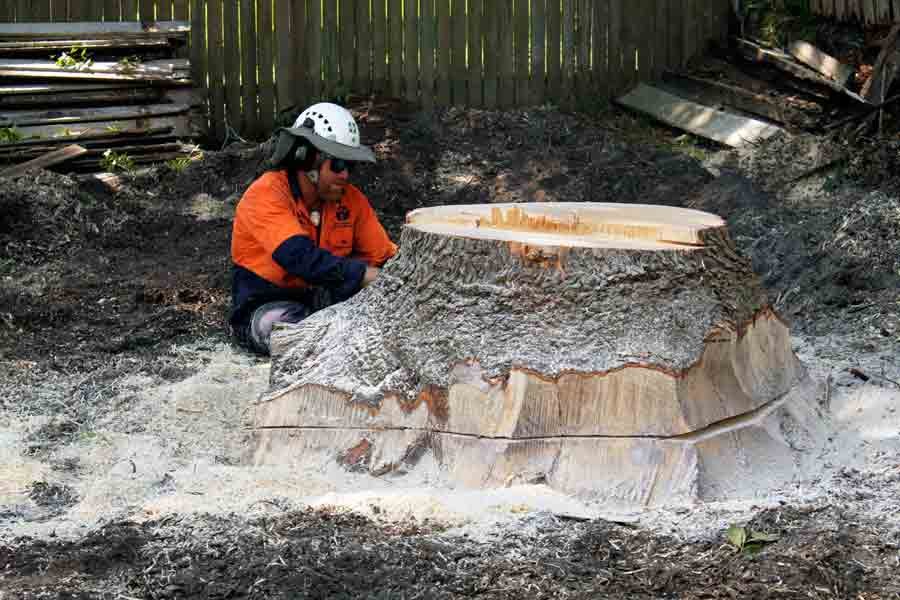
Cutting Edge Tree Maintenance provides safe tree removal and stump grinding across Newcastle, Lake Macquarie and the Hunter.
When the Tree Can Often Be Saved
Not every root issue requires tree removal.
Sometimes the better answer is pruning, monitoring, pipe repair, drainage improvement, flexible paving, root-sensitive landscaping or redesigning the affected surface around the tree.
If the main issue is canopy overhang, blocked gutters or branches near the roof, professional tree pruning may solve the problem without removing the tree.
If the main issue is a leaking pipe, the pipe may need repair before any tree decision is made. If the issue is an old driveway, rebuilding the surface around the root zone may be smarter than removing a healthy, mature tree.
The goal is simple: identify the cause, reduce the risk and keep the tree where it is safe and practical to do so.
What If the Roots Are From a Neighbour's Tree?
Neighbouring tree roots can be difficult because the damage may be on your property, even though the tree belongs to someone else.
This often happens in established suburbs such as Cooks Hill, The Junction, Merewether, Adamstown, New Lambton, Mayfield, Charlestown, Warners Bay and Belmont, where houses, fences, driveways and mature trees sit close together.
If you suspect a neighbour's tree roots are damaging your property, document the issue before taking action. Take photos of the tree, the boundary, visible roots and the damage. Keep plumber reports, CCTV footage, builder comments or insurance correspondence.
Do not cut major roots at the boundary without advice. If those roots are structural, you could destabilise the tree and create a safety risk.
For more details, read our guide to neighbour and boundary tree law in Newcastle.
Do You Need Council Approval to Remove a Tree Causing Damage?
Possibly.
Property damage does not automatically mean a tree can be removed without approval. Newcastle council rules can depend on the species, size, location, risk level, vegetation controls, and whether the work involves pruning, root cutting, or full removal.
Newcastle, Lake Macquarie, Port Stephens, Maitland and Cessnock can all have different tree rules, so it is important to check before removing or heavily pruning a tree.
If root damage is part of the reason for removal, it helps to have clear evidence. This may include photos, plumber reports, engineering advice, arborist notes or a record of repeated damage.
For more details, read our guide to tree removal permits in Newcastle and Lake Macquarie.
The Cutting Edge Approach: Diagnose Before You Remove
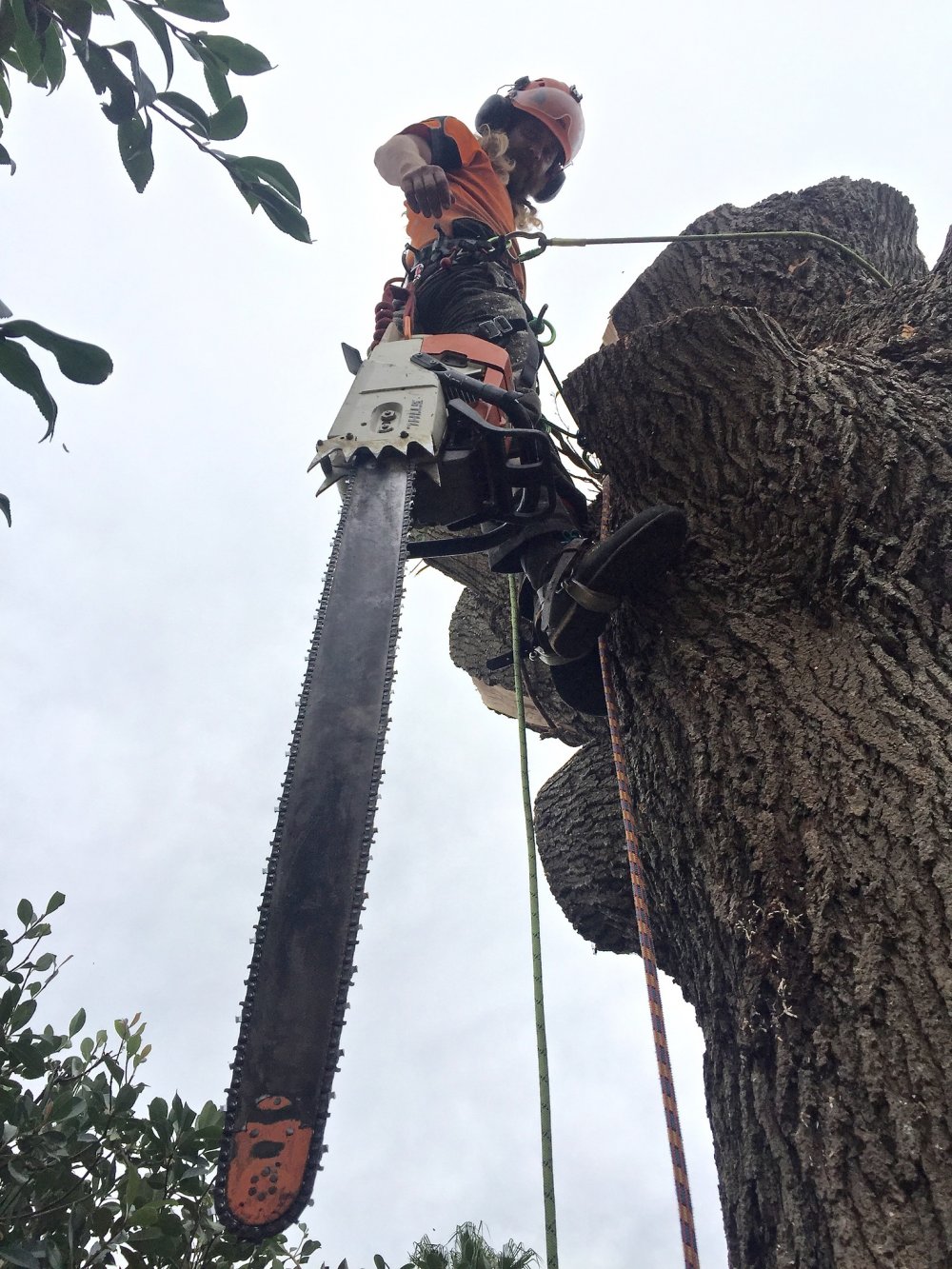 Our approach is simple: diagnose before you remove.
Cutting Edge Tree Maintenance assesses the tree, the visible root zone, surrounding structures, site access, and the likely cause of the damage before recommending work.
That may mean monitoring the tree. It may mean pruning. It may mean pipe repair first. It may mean council approval. It may mean removal and stump grinding. It may also mean involving a plumber, builder or engineer where the issue is not purely arboricultural.
Our Google reviews regularly mention honest advice, careful work near buildings, clean sites, professional communication and practical recommendations. Customers have praised the team for handling difficult tree work alongside buildings, clearly explaining tree health, and leaving sites tidy after removal and stump grinding.
That is the level of judgement you want when roots, structures and safety are involved.
Book a Tree Root Damage Assessment in Newcastle
If you are worried about tree roots damaging your driveway, pipes, retaining wall, fence, paving or foundations, do not guess and do not start cutting major roots.
Get the tree assessed first.
Cutting Edge Tree Maintenance provides professional arborist advice across Newcastle, Lake Macquarie, Port Stephens, Maitland, Cessnock and the Hunter. We can help you understand whether the tree is likely to be contributing to the damage, whether it can be retained, and whether pruning, removal, stump grinding or further investigation is needed.
Call 02 4003 4400 today to speak with a local Newcastle arborist.
FAQs - Tree Roots & Property Damage In Newcastle
Can tree roots damage a driveway?
Yes. Tree roots can lift, crack or distort driveways, especially where large trees are close to concrete, paving or compacted ground. Driveway damage can also involve poor base preparation, old concrete, drainage issues or soil movement, so the tree and site should be assessed before roots are cut.
Can tree roots get into pipes?
Yes. Roots can enter damaged or leaking sewer and stormwater pipes, especially older lines with cracked joints or displaced sections. Roots are attracted to moisture and can thicken inside the pipe, causing recurring blockages.
Can tree roots damage house foundations?
Tree roots can contribute to soil moisture changes near a building, especially where large trees grow close to footings or clay soils are present. Foundation movement may also involve drainage issues, plumbing leaks, poor footing design, or seasonal soil movement.
Should I cut roots that are lifting my driveway?
No, not without arborist advice. Cutting major roots can destabilise a tree and increase the risk of failure. An arborist should assess whether the roots are structural and whether pruning, redesign or removal is safer.
Do I need council approval to remove a tree causing property damage?
Possibly. Tree removal and pruning rules vary between Newcastle, Lake Macquarie and surrounding councils. Property damage may support an application, but it does not always mean removal can happen without approval.
What if my neighbour's tree roots are damaging my property?
Document the damage, take photos and keep plumber, builder or engineer reports. Avoid cutting major roots without advice, as this may destabilise the tree or worsen a neighbour dispute.
Is tree removal always the best solution for root damage?
No. Depending on the situation, options may include pruning, pipe repair, drainage improvement, driveway redesign, root-sensitive landscaping, monitoring or tree removal.
Can Cutting Edge Tree Maintenance help with root-related property damage?
Yes. Cutting Edge Tree Maintenance can inspect trees, assess visible root-related risks, provide practical arborist advice and complete approved pruning, removal or stump grinding where required.