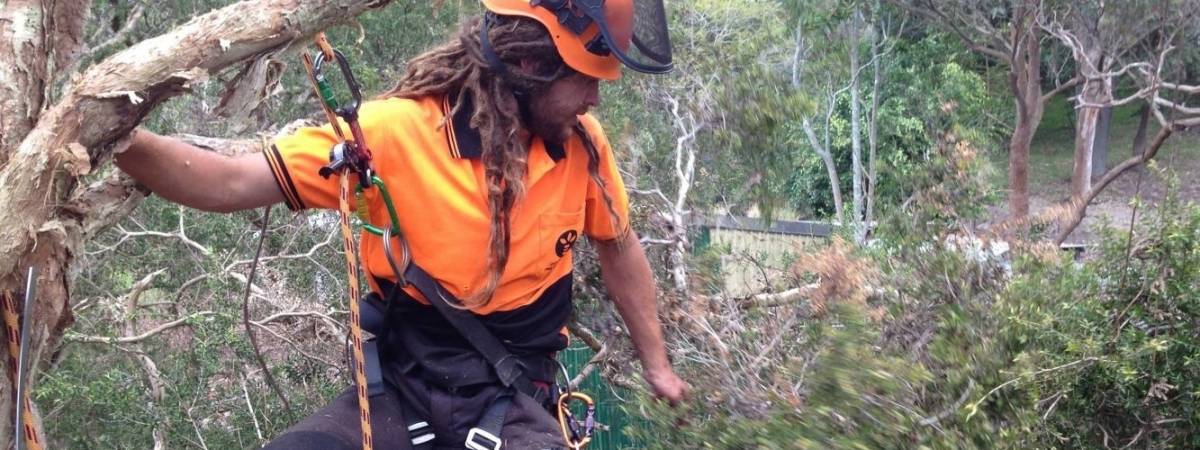
Can Tree Roots Damage House Foundations? What Newcastle Homeowners Should Know
Newcastle Arborist Advice
Do you have a mature tree growing close to your home? Are you worried about whether its roots could be damaging your property? Tree roots can cause a lot of issues around the home, but there's no need to panic.
In this guide, we will explain how tree roots affect your home's foundations, slabs and underground pipes. We'll show you what signs of tree root property damage to look out for, and when to request a professional tree assessment so you can protect your home!
If you are worried about a tree near your Newcastle home, contact Cutting Edge Tree Maintenance today on 02 4003 4400 to arrange a professional tree assessment.
Quick Answer: Can Tree Roots Damage House Foundations?
Yes, tree roots can damage your foundations, but the damage is usually indirect, rather than caused by roots actually breaking through concrete. Large trees draw a lot of moisture from the soil, which can cause ground conditions to shrink and lead to movement beneath a house. Tree roots near foundations can also exploit existing cracks, affect drainage or place pressure on weaker structures. If you have a mature tree close to your Newcastle home and are noticing cracks, uneven floors or other movement, booking a professional tree assessment can help determine whether the tree is contributing to the problem.
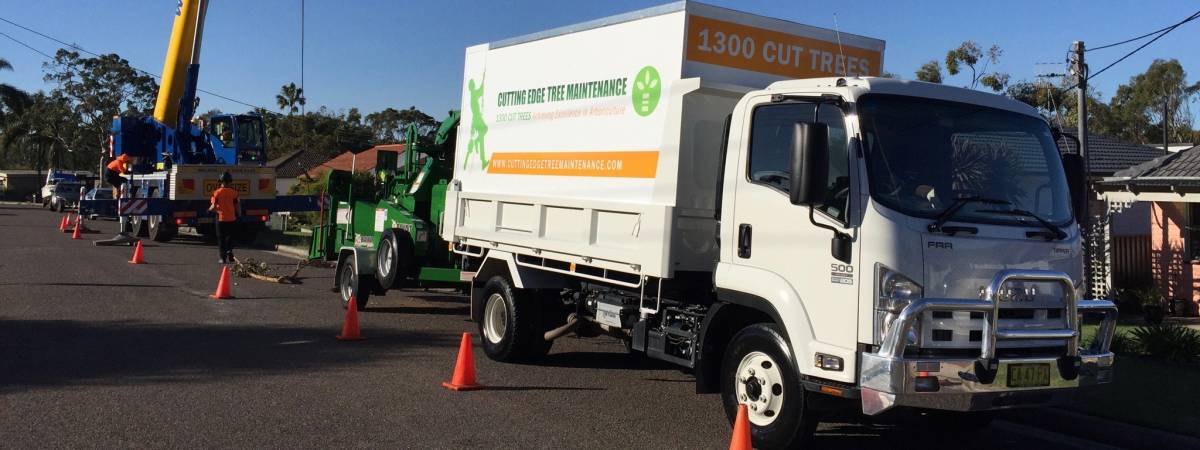 Cutting Edge Tree Maintenance assessing a mature tree close to a Newcastle home.
How Tree Roots Grow and Spread Beneath the Ground
The main job of tree roots is to support the tree and absorb nutrients. That's why they usually spread outwards through the upper layers of soil, where they can access water, oxygen and nutrients, rather than growing straight down. The City of Newcastle Urban Forest Technical Manual states that tree roots are generally concentrated within the top 60 cm of soil, with most in the top 30 cm!
As a tree gets larger, its root system can spread well beyond the width of the canopy. Roots will often follow areas where moisture is available, including your garden beds, drainage lines and gaps in compacted soil. This means tree roots near foundations might extend much further than many homeowners expect! The size, species and age of your tree, along with local soil conditions, all influence how far the roots can spread.
Direct vs Indirect Tree-Related Foundation Damage
Tree-related foundation damage can happen in two main ways:
Directly: Direct damage occurs when growing roots physically push against weakened foundations, retaining walls, paving or underground structures. This is less common for homes with strong, intact concrete.
Indirectly: Indirect damage is much more common and happens when large trees remove moisture from the soil. In certain soil types, this can cause the ground to shrink and move, which affects foundations or concrete slabs.
For Newcastle homeowners, understanding the difference matters because visible cracks do not always mean tree roots are physically pushing against the house. A proper assessment by a Newcastle arborist can help identify the likely cause and whether Newcastle tree removal is necessary.
What the Research Actually Says About Trees and Subsidence
This is not just industry opinion. Arboricultural researchers have studied tree-related subsidence for decades, and the findings back up what experienced arborists see on the ground every day. One of the most detailed data sets ever compiled on this topic, the Kew Tree Root Survey, tracked more than 11,000 trees linked to building damage claims. It found that the distance at which damage occurred varied enormously by species, from as little as 2.5 metres for smaller trees such as cypress up to 11 metres for poplar, with most reported cases falling somewhere between 5 and 7 metres of the building.
What that survey, and the decades of case data that followed it, consistently point to is this: it is soil moisture loss, not physical root growth, that drives most tree-related foundation problems. Records also show that the type of soil under your home matters far more than most people realise. On shrinkable clay soils, the rate of foundation problems is many times higher than it is on other soil types. That is because clay particles expand when they take on moisture and contract as they dry out, and a large, thirsty tree can accelerate that drying cycle considerably during a hot Newcastle summer or an extended dry spell.
In plain terms: it's rarely the root itself doing the damage. It's what the root is taking out of the ground.
This is exactly why a qualified arborist will always want to know your soil type, the age and species of the tree, and how long the movement has been occurring, before offering an opinion on whether the tree is the cause. A tree's distance from the house is only one piece of the puzzle, not the whole answer. If you're unsure, a hazardous tree assessment is the most reliable way to get a clear answer.
Does Tree Species Change the Level of Risk?
Yes, and the difference between species can be significant. Fast-growing trees with a high demand for water, such as large eucalypts, willows and poplars, tend to be associated with foundation movement more often than slower-growing or smaller ornamental species. This does not mean a gum tree near your home is automatically a problem. It means species is one of several factors, alongside distance, soil type and tree health, that a proper assessment needs to weigh up together, rather than looking at any single factor in isolation.
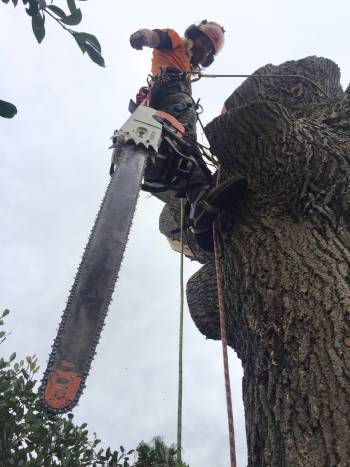 A qualified arborist assessing root and soil conditions during a Newcastle property inspection.
How Australian Building Standards Account for Reactive Soil
Australia has had a dedicated national standard for this exact problem for close to thirty years. AS 2870 – Residential Slabs and Footings sets out how sites should be classified according to how "reactive" the soil is, ranging from stable sand and rock through to highly reactive and extremely reactive clay. The more reactive the site, the more the ground is expected to move as moisture levels change, and the more robust the footing design needs to be to cope with it.
Newcastle and the wider Hunter region includes a real mix of soil types, from sandy coastal pockets to clay-based inland suburbs, so the risk a mature tree poses can vary significantly from one street to the next, and sometimes from one side of a block to the other. This is one reason we're cautious about giving a blanket answer over the phone. A tree that is perfectly fine next to a home on a sand-based site could be a genuine concern next to a similar home built on reactive clay.
This local mix is well documented. Geotechnical assessments of the Hunter region describe estuarine deposits of sand, silt and clay around Newcastle Harbour and Lake Macquarie, coastal barrier sand systems through suburbs like Stockton and Belmont, and deeper reactive clays becoming more common as you move onto the valley floors and lower slopes further inland. In other words, two homes a short drive apart can sit on genuinely different ground, which is exactly why a soil-specific assessment matters more than a generic rule of thumb.
If your home already has a soil classification on file from when it was built (often noted as Class A, S, M, H1, H2, E or P), this is genuinely useful information to have ready before a tree assessment or a chat with a structural engineer.
 Our local Newcastle team on site, assessing ground conditions and tree placement.
What We See Assessing Trees Near Newcastle Homes
Beyond the research and the standards, a lot of what informs a good assessment comes down to experience on the ground. Having assessed trees close to homes right across Newcastle, Lake Macquarie, Port Stephens and the Hunter, a few patterns come up again and again.
Older homes, particularly those built before more recent footing standards were introduced, tend to have shallower footings and are more sensitive to soil movement than newer builds. Homes on a slope or near cut-and-fill areas can also behave differently to a neighbouring flat block, even with the same tree species nearby.
We also regularly find that homeowners have jumped to blame the nearest large tree, when the real cause turns out to be something else entirely, such as a leaking stormwater pipe, a poorly graded garden bed sending water toward the footings, or normal seasonal movement that has nothing to do with vegetation at all. This is exactly why we always recommend a proper tree risk assessment rather than guessing based on a tree's size or proximity alone.
How Soil Type and Moisture Affect Foundation Movement
Soil type plays a major role in how tree roots can affect a home's foundations. Clay-rich soils are especially sensitive to changes in moisture, expanding when wet and shrinking as they dry. Large trees can remove huge amounts of water from the surrounding ground, which increases soil shrinkage during dry periods. Over time, this movement can place stress on your foundations or a concrete slab.
Sandy or well-drained soils generally react differently. For Newcastle homeowners, local soil conditions, drainage and seasonal weather should all be considered when assessing possible tree-related foundation movement.
Why Wet-Dry Weather Cycles Are Becoming a Bigger Factor
This isn't only a dry-summer problem. Research from the University of South Australia, published in 2025, analysed over a century of rainfall data and found that both La Niña and El Niño cycles are intensifying the shrink-swell movement in expansive clay soils across the country, with researchers noting that even small shifts in these climate patterns can lead to cracking, subsidence or costly repairs. A wet La Niña period followed by a dry spell can put a lot more strain on reactive soil than a steady, unremarkable year.
For homeowners with a mature, moisture-hungry tree nearby, this matters because it means the risk profile of your property isn't fixed. A tree that has sat quietly next to your home for fifteen years without issue can start contributing to visible movement after a run of unusually wet or unusually dry seasons. It's a good reason to treat a mature tree assessment as something worth revisiting periodically, rather than a one-off check you tick off and forget.
Can Tree Roots Crack Concrete or Damage a House Slab?
Tree roots can contribute to cracks in concrete or movement in a house slab, but they do not usually break through strong, intact concrete. Problems are more likely when your tree's roots exploit existing weaknesses or when moisture changes in the soil cause movement beneath the slab or foundations!
Signs of Tree Root Property Damage
The signs of tree root property damage can vary depending on the tree, soil conditions, and the part of the property affected. Some problems also have other causes, so it is important not to assume that nearby roots are responsible without requesting a professional tree assessment. For a broader look at driveways, walls and paving as well as foundations, see our guide to tree roots and property damage in Newcastle.
Here are the signs that are associated with property damage you want to look out for:
- New or widening cracks in walls, floors or foundations
- Uneven or lifting concrete, paving or driveways
- Doors or windows becoming difficult to open
- Visible roots close to the house
- Recurring drainage or pipe problems
- Localised ground movement around a large tree
If you notice these signs near a mature tree, contact us on 02 4003 4400 to arrange a professional tree assessment!
How Tree Roots Can Damage Pipes
Tree roots are naturally attracted to moisture and often grow towards leaking or damaged underground pipes. Once roots enter through small cracks or loose joints, they can expand inside the pipe and contribute to blockages, restricted flow or further damage. Older drainage systems can be particularly vulnerable.
Learn more about the warning signs and causes in our guide to tree roots damaging pipes in Newcastle.
How Close Can a Tree Safely Grow to a House?
There is no single safe distance for every tree! The right distance depends on the tree's mature size, species, root spread, soil type and the home's foundations. As a general rule, plant larger trees farther from buildings. If a mature tree is already close to your Newcastle home, contact us for an expert tree assessment to find out if it poses a risk to your property.
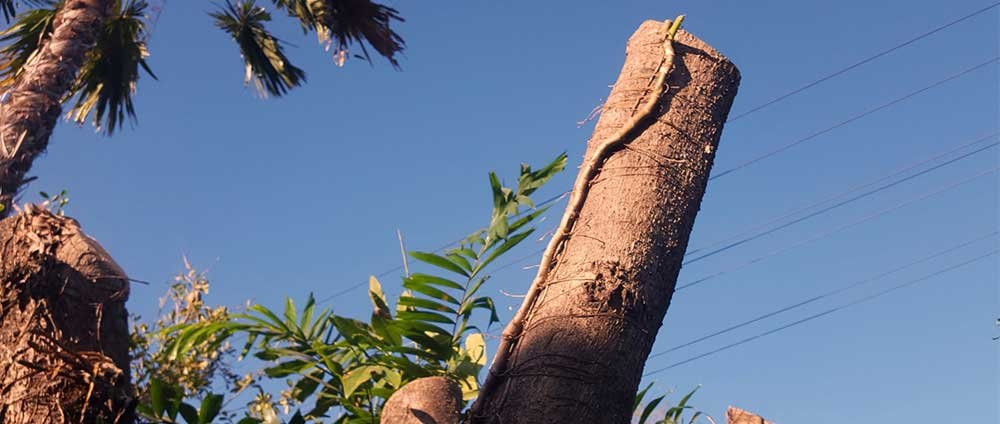 A large gum tree growing close to a home, the kind of situation where a professional assessment is worthwhile.
Do Large Gum Trees Near Homes Present a Greater Risk?
Large gum trees present a greater risk when they grow close to houses because of their size, extensive root systems and the amount of moisture they draw from the soil. This does not mean every gum tree near a home is automatically dangerous! But mature trees should be assessed if you notice movement, cracking or other concerns. Find out more in our guide to large gum tree removal in Newcastle.
What Should You Do If You Suspect Tree-Related Foundation Damage?
If you suspect that tree roots are contributing to cracks, slab movement or other property damage, we do not recommend cutting roots without professional advice. Removing major roots can weaken the tree, affect its health and, in some cases, make it unstable or more likely to fail.
Tree removal can help reduce future root growth or moisture demand, but it will not automatically repair existing foundation damage. In some soil conditions, removing a large tree can also change moisture levels around the property, so the cause of the movement should be properly assessed first. Read more in our wider guide to tree roots and property damage in Newcastle.
If you suspect tree-related foundation damage, call our professional Newcastle arborists. Our experts can inspect the tree if it is large, close to the house, showing signs of instability, or suspected of contributing to structural or underground damage. A structural engineer is needed for serious foundation cracks or movement, and a plumber should also be called if roots are affecting drains or underground pipes.
Who Should You Actually Call? Arborist, Engineer or Plumber
One of the most common points of confusion for homeowners is knowing which professional to call first. Each one plays a different role, and getting the order right can save you time and money.
An Arborist
Assesses the tree itself, including its health, root system, species and whether it is a realistic contributor to soil moisture loss near your home.
A Structural Engineer
Assesses the building, including the extent and pattern of cracking, and whether the foundation movement is significant enough to require repair or underpinning.
A Plumber
Checks underground pipes and drainage for leaks, blockages or root intrusion, which can be a contributing factor in its own right.
In many cases, more than one of these professionals will need to be involved, and a good arborist report can actually support the structural engineer's investigation by ruling a tree in or out as a contributing factor.
Newcastle homeowners choose us for experienced local hazardous tree assessments, arborist reports, and safe tree removal services! If you are concerned about a mature tree near your home, contact us to arrange an assessment. We will carry out a professional inspection and provide expert advice on how to protect your home from tree root property damage.
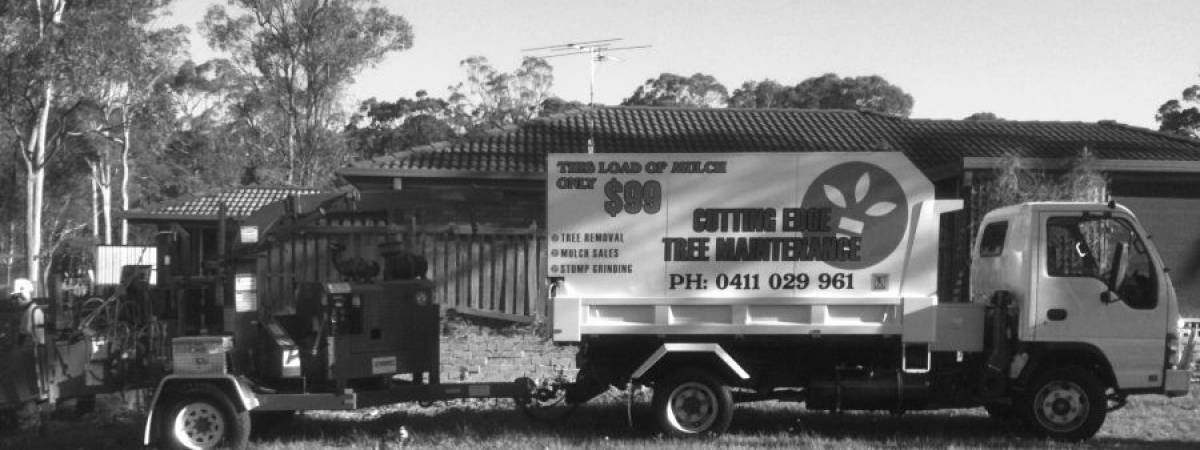 Cutting Edge Tree Maintenance provides professional arborist services throughout Newcastle and the Hunter.
Worried a Tree Is Affecting Your Foundations?
The first step is a professional assessment to find out whether the tree is actually contributing to the problem. Contact Cutting Edge Tree Maintenance to arrange an inspection.
FAQs About Tree Roots and House Foundations
How much does it cost to deal with tree roots near a house?
The cost of dealing with tree roots near your home depends on the size and species of the tree, the extent of the root system, site access, and the type of work needed. If the tree roots have caused foundation, slab, drainage or plumbing damage, repair costs will also need to be included. Contact CETM on 02 4003 4400 for a professional tree root assessment, and we will provide a clear quote with no hidden fees.
Should I remove a tree if its roots are growing towards my house?
Tree roots growing towards your house does not always mean they are damaging your foundations. The level of risk depends on the tree species, its mature size, distance from your property, soil conditions, and foundation type. Before arranging tree root removal, Newcastle homeowners should have the tree and surrounding area assessed to determine the best course of action.
Can you inspect trees that may be affecting my home's foundations?
Yes, we can assess trees growing close to homes and other properties in Newcastle to help identify the presence of or potential for tree root property damage. Suspected structural foundation damage should also be assessed by a qualified building professional or structural engineer.
Is tree removal cheaper than repairing foundation damage?
Tree removal is a much cheaper option than major foundation repairs if the problematic tree is identified before serious damage occurs! But tree removal should not be carried out purely as a precaution without first identifying the likely cause of the problem. Professional tree assessment can help determine whether removing the tree is necessary.
Do you offer free quotes for removing a tree close to a house in Newcastle?
Yes. We offer a free quote for tree removal and other tree work around residential and commercial properties in Newcastle. Call us on 02 4003 4400 or use our contact form!
Reviewed by the Cutting Edge Tree Maintenance team — AQF Level 5 qualified arborists servicing Newcastle, Lake Macquarie, Port Stephens and the Hunter since 2015. This guide reflects general arboricultural principles and on-site experience with local soil and tree conditions. It is not a substitute for a site-specific tree assessment or structural engineering advice.